

Mice in the walls? You’re not imagining it
It usually starts at night. A faint scratching behind the drywall, a rustle in the ceiling, a sound in the kitchen cupboard just as the house goes quiet. Then you find droppings in the drawer with the tea towels, a chewed corner on a cereal box, or the dog suddenly very interested in the space behind the fridge.
Mice are the most common pest we deal with in Bolton, and fall is their season. As the fields around town are harvested and nights get cold, mice move indoors looking for warmth, food and somewhere safe to nest. Once one finds a way in, others follow the same route.
Mouse or rat? How to tell the difference
Both leave droppings, gnaw marks and greasy rub marks along walls, but the size of the evidence gives them away:
- Droppings: mouse droppings are small, about the size of a grain of rice. Rat droppings are much bigger, closer to the size of a raisin or olive pit.
- Gnawing: mice leave tiny, neat chew marks. Rats can chew through plastic bins, wood and even soft concrete.
- Sounds: mice are light and quick. Rats are heavier and often noisier, especially in basements and crawl spaces.
- Where you find them: mice love kitchens, walls, attics and garages. Norway rats tend to stay lower: basements, sheds, under decks and around compost, bird feeders and chicken coops.
Here in Bolton, you may also come across deer mice, which have white bellies and feet. They’re more common in garages, sheds, cottages and homes beside fields and woods, and they are the species linked to hantavirus in Canada, which is one more reason to clean up carefully.
How mice and rats get into Bolton homes
A mouse can squeeze through a gap about the width of a pencil. A rat needs something closer to the size of a quarter. Most homes have dozens of openings that small, and most homeowners never notice them. The usual suspects:
- Worn or torn rubber seals at the bottom of garage doors
- Gaps around pipes, gas lines, cable and air conditioning lines where they enter the house
- Dryer vents and exhaust vents without a proper cover
- Weep holes and gaps in brick, especially in older homes
- Cracks in foundations and gaps where siding meets the foundation
- Openings around the roofline, soffits and attic vents
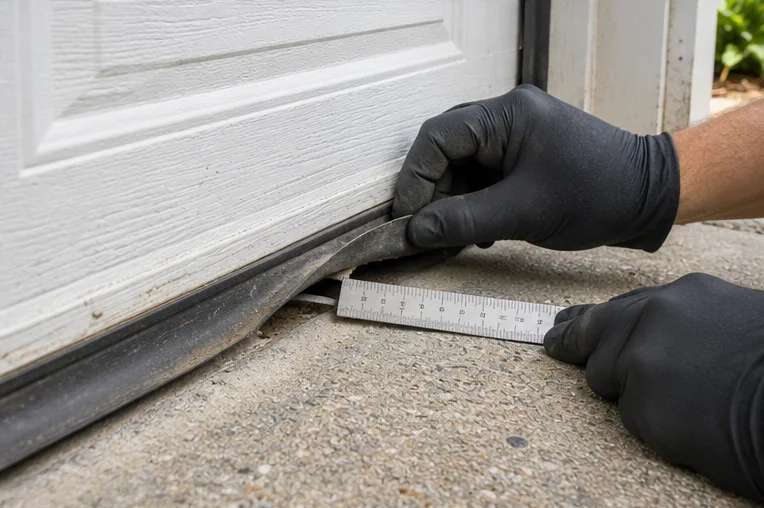
Homes that back onto the Humber valley, conservation land or open fields tend to see more pressure, and so do new builds in growing parts of town, where construction and fresh gaps around services give mice an easy start.
What our rodent control involves
- Inspection. We look for droppings, gnawing, nests and runways inside, then walk the outside of the building to find how rodents are getting in.
- Targeted control. Traps and, where appropriate, tamper-resistant bait stations, placed where rodents travel and out of reach of children and pets.
- Sealing entry points. Gaps are closed with materials rodents can’t chew through, such as steel mesh, metal flashing and proper door sweeps. Foam alone won’t stop a determined mouse.
- Follow-up. We check activity and adjust until it stops. Sealing too early can trap mice inside, so timing matters.
We will explain what we recommend and what it costs before we start. If a repair is beyond pest control, such as replacing a damaged soffit, we will tell you so you can bring in the right trade.
Cleaning up droppings safely
It’s tempting to grab the vacuum, but don’t. Health Canada advises against sweeping or vacuuming rodent droppings, because it stirs particles into the air that you can then breathe in. Instead:
- Open windows and air out the space before you start
- Wear rubber gloves, and a well-fitting mask in enclosed spaces
- Spray droppings and nesting material with a disinfectant or diluted bleach and let it soak
- Wipe up with paper towels or a damp mop, bag it and put it in the garbage
- Wash your hands well afterwards

Signs of mice that are easy to miss
- A stale, musky smell in a cupboard, closet or basement corner
- Dark, greasy rub marks along baseboards and around pipes
- Shredded paper, fabric or insulation tucked into storage boxes
- Your cat or dog staring intently at one spot on the wall or under an appliance
- Chewed corners on bags of grass seed, birdseed or dog food in the garage
Mice mostly move at night and stay out of sight, so by the time you see one in daylight, there are usually others nearby.
Mice in the garage, shed or car
Garages are often where it starts. They are rarely heated, they’re full of stored food like birdseed and pet food, and their doors have the biggest gaps in the house. From there, mice find their way into the walls and up into the home.
Cars parked in garages or driveways over the winter are another favourite. Mice nest in engine bays and air intakes and chew on wiring, which can lead to expensive repairs. If your car has been sitting, pop the hood and check before you start it.
Keeping them out for good
Once the activity has stopped, a few habits make your home much less appealing:
- Keep pet food, birdseed and grass seed in metal or hard plastic bins, not bags
- Move firewood, compost and stored items away from the walls of the house
- Keep the garage door closed, and replace the bottom seal when it cracks
- Clean up spilled birdseed under feeders, which attracts both mice and rats
- Book an exterior check in late summer, before the fall rush
Hearing heavier sounds in the attic or roof? That may be a squirrel or raccoon rather than a mouse. Have a look at wildlife removal.